Why Is My Child’s Myopia Getting Worse in Los Alamitos?
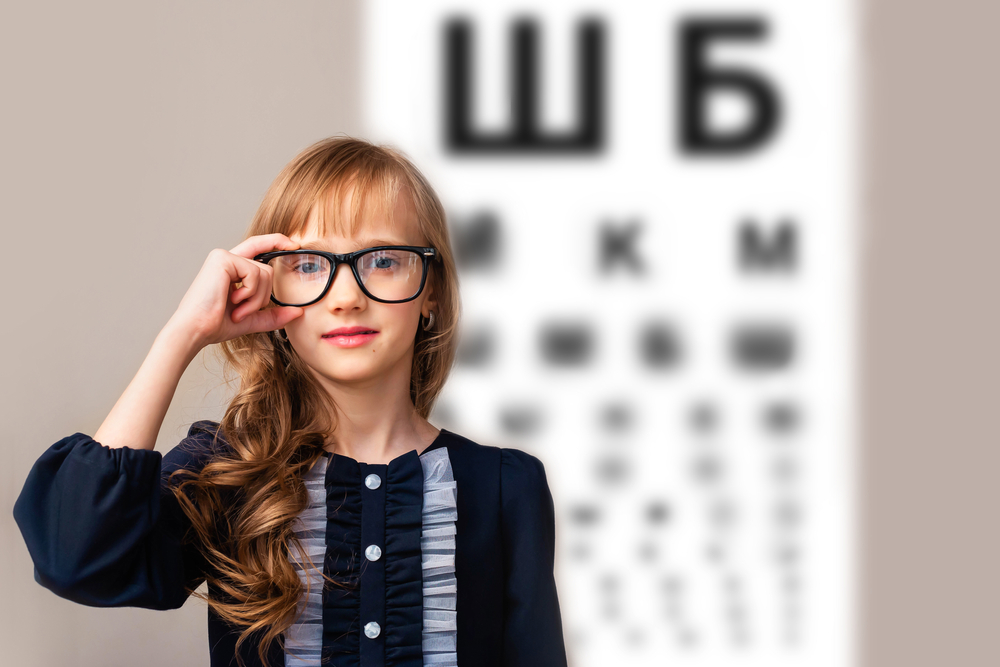
Myopia, commonly called nearsightedness, can seem to change quickly during childhood. A child who saw clearly with last year’s glasses may suddenly struggle to read the classroom board, recognize signs from a distance, or keep up during sports. At Los Alamitos Optometry, we help families understand why a child’s prescription is changing and whether myopia management may help slow further progression.
Growing Eyes Can Mean a Stronger Prescription
Myopia often develops when the eye grows too long from front to back, causing light to focus in front of the retina instead of directly on it. Because children’s eyes are still developing, their nearsightedness may continue to increase through the school years and adolescence. Children who become myopic at a younger age may also have more years for the condition to progress.
A stronger prescription does not necessarily mean that something suddenly went wrong. It may reflect ongoing eye growth that needs to be measured and monitored closely.
Genetics and Daily Habits Can Affect Myopia
Myopia is influenced by a combination of genetic and environmental factors. Children with one or two nearsighted parents may have a higher risk of developing myopia. Daily visual habits can also matter, especially when children spend long periods reading, doing homework, gaming, or using digital devices at close range with limited outdoor time.
Helpful habits for children in Los Alamitos include:
• Taking regular breaks during homework and screen use
• Holding books and devices at a comfortable distance
• Spending more time outdoors when possible
• Wearing the correct prescription consistently
• Keeping scheduled eye exams and follow-up visits
These habits support healthy visual routines, but they do not replace professional myopia management when a child’s prescription is progressing.
Signs Your Child’s Myopia May Be Worsening
Children do not always recognize or explain changes in their vision. Parents may notice squinting, sitting closer to the television, moving nearer to the front of the classroom, holding objects close to the face, or complaining that distant words look blurry. Headaches, eye fatigue, and reduced confidence during school or sports may also signal that the current prescription is no longer providing clear vision.
An updated eye exam allows us to compare prescription changes, evaluate eye health, and determine how quickly the myopia is progressing.
Regular Glasses May Not Slow Progression
Standard glasses and contact lenses help a child see clearly, but they are not always designed to control eye growth. Myopia management uses specialized treatments intended to slow progression rather than only updating the prescription year after year.
At Los Alamitos Optometry, available options may include corneal refractive therapy, often called Ortho-K, MiSight daily disposable contact lenses, atropine eye drops, or a personalized combination of treatments. The right approach depends on the child’s age, prescription, rate of progression, eye health, lifestyle, and ability to follow treatment instructions.
Early Monitoring Supports Long-Term Eye Health
Higher levels of myopia are associated with increased risks of certain eye health complications later in life. Starting management while the eyes are still developing may reduce how quickly the prescription worsens. We can track changes over time and adjust the treatment plan as your child grows.
Schedule your child’s pediatric eye exam with Los Alamitos Optometry to explore myopia management options and protect their vision as they grow. Contact our office in Los Alamitos, CA, by calling (562) 795-6111 to book an appointment.


MAP
© 2026 Los Alamitos Optometry . All Rights Reserved. Accessibility Statement - Privacy Policy - Sitemap
Powered by: